The courts cannot stay at a standstill
A row about legal aid fees is now a problem for public safety, victims and the rule of law. It has to be settled.
I read some reports from Dublin District Court last weekend with a sinking feeling, because the same story is already playing out closer to home.
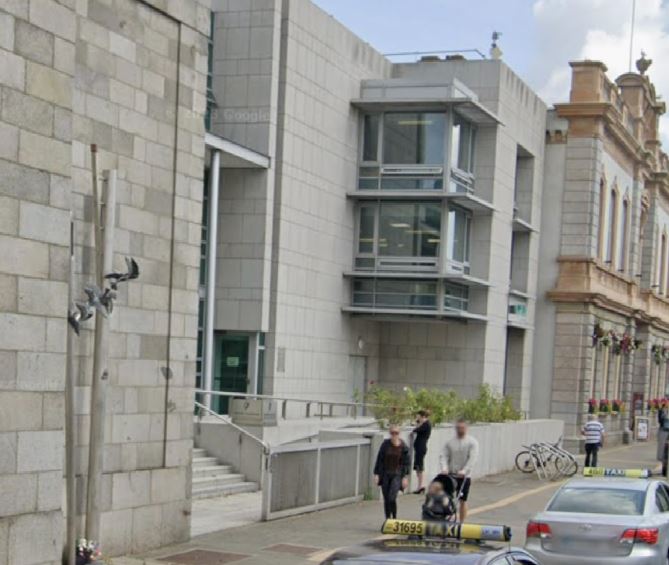
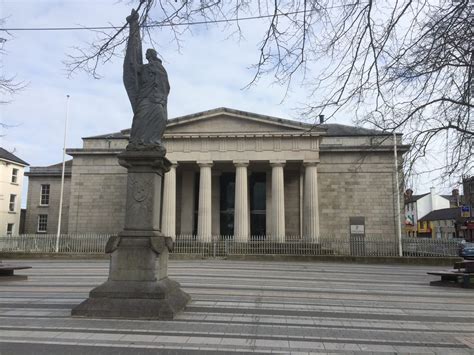
In Dundalk last week, Judge Andrews could not send nine cases forward to the Circuit Court. She adjourned them to December. Other District Court matters have been put out as far as next May. Defendants who did not turn up left the court issuing bench warrants. The judge’s quipped she wanted billboards in Dundalk and Drogheda saying the solicitors are on strike, the judge isn’t. Call it dark humour, call it accurate.
This is not an abstract national row. It is playing out in Dundalk courthouse.
Since July, criminal defence solicitors have withdrawn from the legal aid scheme after the Minister for Justice replaced per-appearance fees with a flat “one accused, one fee” of €520 in the District Court. The old model paid roughly €240 for a first appearance and €60 for each one after that. The new fee is meant to cover the average case, about five appearances, plus an 8% increase that also went to lawyers in the higher courts.
The result is a 93% drop in legal aid certificates issued in July compared with last year. In the capital, all but two firms doing this work have stepped back. Parts of the country are being described as legal aid deserts. Courts that should be dealing with people, evidence and outcomes are dealing with empty chairs and adjournment stamps.
People ask me a blunt question: are dangerous people on the streets because of this?
The honest answer seems to be yes there is merit in that statement.
This is not a mass emptying of prisons (they are in fact full, but that's for another day). Custody cases that already had a solicitor assigned have, in many places, still been covered. Judges have not been told to tear up books of evidence as a matter of policy.
Serious matters including assaults, sexual offences, cases due for sentence, cannot proceed properly without a defence lawyer. Every month of delay is another month a victim waits, and another month an accused person remains in the community pending a result that should already have been reached.
Some people have been released because they had no lawyer at a bail hearing. In July the High Court found a “fundamental denial of justice” where accused people were remanded in custody while unrepresented. Eleven applicants were entitled to immediate release. Some had already been given High Court bail. The offences in the public reporting were mixed, including robbery, criminal damage, and at least one firearms allegation where another judge took a harder line. This is not “the system decided they were harmless.” It is “the system could not lawfully hold them because the hearing was not fair.” That distinction matters in law. On the street it still means people a District Court wanted in custody walked out.
An Garda Síochána warned as far back as June that interviews and statements taken from suspects who could not get a solicitor may later be challenged. That is the risk of evidence being thrown out. It has not shown up as a wave of collapsed murder trials in this weekend’s coverage. It is a live constitutional risk hanging over new arrests. If a conviction falls because a suspect was denied advice in a station, the public will not blame a fee table. They will blame the State.
On top of all this, and a loss of respect for the courts is manifesting in non-appearance. In one Dublin courtroom on Friday a single judge issued more than 25 bench warrants in under two hours because three quarters of the listed defendants did not show. That is how people drift out of the system.
The fear is not nonsense. It is just not the whole story. The bigger story is a justice system that cannot finish its work.
I appreciate that there are two perspective at play here, the government who want to avoid writing solicitors a blank cheque, and solicitors who feel the goalposts have been moved and that this will weaken representation for the public.
But at this stage I think there is a real need to sit down and trash something out and to make sure that the law and punishments are applied where needed, and seen to apply!
The government has to get lawyers back into Dundalk, Drogheda and every other courthouse before the winter lists become a farce. Circuit Criminal Court in Louth is due to sit from 5 October. That date should mean trials and sentences, not another round of “the solicitor isn’t here.”
If that requires an independent look at the fee, a staged payment so firms are not carrying months of work on a promise, or a different rate for complex and multi-charge files, then do that. Call it reform. Do not call it surrender. The alternative is worse than an awkward compromise.
A functioning court is not a gift to solicitors or the public. It is the basic machinery of a safe town.
