New Planning Exemptions Come Into Effect
New Planning Exemptions Come Into Effect: What Homeowners Need to Know
New planning exemption regulations for residential dwellings came into effect on Monday 27 July 2026. The changes aim to cut unnecessary red tape for homeowners while allowing planning authorities to concentrate resources on larger and more complex developments that require greater scrutiny.
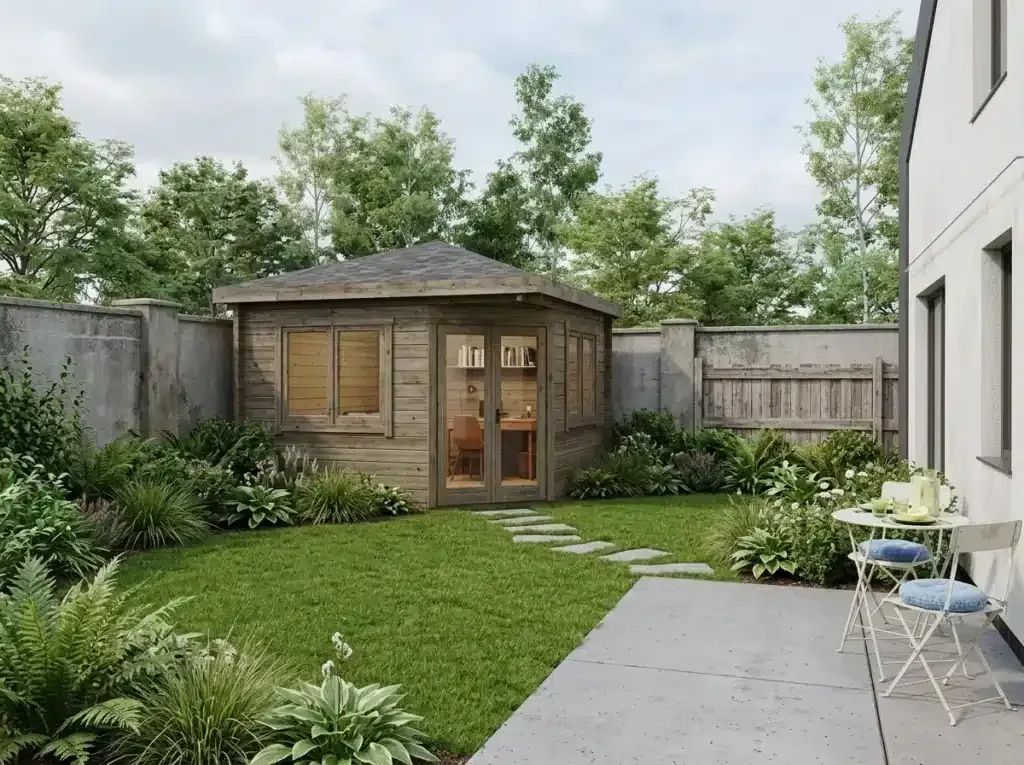
The core goal is to give homeowners greater flexibility to adapt, extend or improve their homes — whether through additional living space, energy upgrades or practical outdoor structures — provided the works meet the relevant conditions and all applicable Building, Building Control and Fire Regulations.
Key Changes
Here are the main new or expanded exemptions:
Important Points to Note
Notification requirement: For the new Class 1A (subdivision) and Class 3A (detached auxiliary dwelling) exemptions, you must notify the planning authority at least 14 days before development begins. This also helps authorities track uptake.
Time limit: The Class 1A and Class 3A provisions are time-bound and expire on 31 December 2030. Development under these classes must be commenced and completed within the relevant period.
Building and Fire Regulations still apply: In all cases, relevant Building, Building Control and Fire Regulations (including those for habitable dwellings where applicable) continue to apply in full. Planning exemption does not remove the need to comply with these standards.
A Circular and guidance have been issued to Planning Authorities. Homeowners should check the specific conditions and limitations that apply to each class of exempted development.
These changes give practical options for many households seeking extra space for family members, home working, energy efficiency improvements or everyday storage needs. They do not mean every proposal is automatically exempt — the development must match the description and conditions set out in the regulations.
If you are considering works under any of these exemptions, it is advisable to review the official guidance, contact your local planning authority for confirmation where needed, and ensure all building regulations are met. Professional advice from an architect, engineer or planning consultant can also help avoid issues.
For more information or if you have questions about how these changes might apply in Louth, feel free to get in touch.
