Technology's Potential to Make our Roads Safer
The recent public consultation launched by An Garda Síochána on the draft Code of Practice for Public Closed Circuit Television (CCTV) represents a step towards strengthening road safety through technology.
An Gardaí are inviting nationwide input—with submissions open until 24 February 2026—allowing the public to contribute views on how public CCTV should be governed and used.
I think there is enormous potential for CCTV to play a complementary role in the Gardaí's policing of the roads.
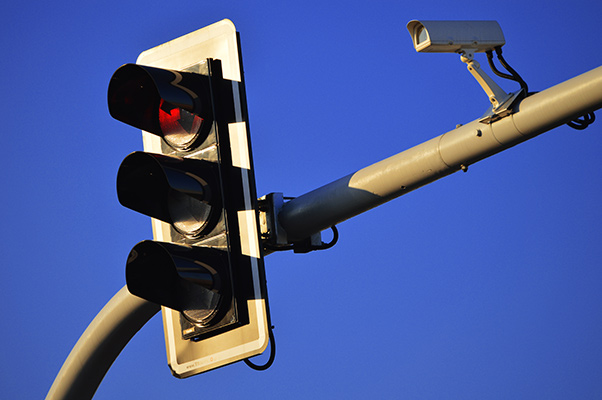
So long as it is implemented in accordance with a well-considered code of practice and informed by community feedback, it can be an effective tool to deter dangerous driving. It could deter behaviours such as excessive speeding, red-light violations, and other high-risk actions that contribute to preventable collisions and fatalities on Irish roads.
I support expanding this technology to monitor and enforce compliance in high-risk locations. Where this had been tried already in in Ireland, driver compliance often exceeds 98% leading to lower speeds, fewer crashes, and lives saved. This is the case in many other countries that use digital cameras for this purpose.
Integrating fixed and public CCTV systems, guided by this open consultation, builds on that proven evidence. It provides a practical, relatively low-cost way to strengthen enforcement and better protect all of our road users, in particular vulnerable road users like cyclists and pedestrians.
It could be a useful tool to enable more targeted policing, discourages violations at the source, and fosters safer environments for drivers, cyclists, pedestrians, and families alike. So I see it as a welcome advancement in aligning technological solutions with community needs.
It’s clear there is a role for technology to play in improving road safety. What I'm hoping for, is a responsible adoption of intelligent monitoring systems, that prioritises safety over intrusion.
In writing this, I’m brought back to a point made by a constituent, that the digital speed signs (you know the ones that flash up the speed as you drive past like the ones at Lordship or on the Castletown Road) should record the speeds they display. When the council looks at an intervention for a speed ramp etc, a speed survey is often required – these are carried out in the form of wires across the road that measure speed for a period of time. If existing digital speed signs were recording this in areas that are already of interest, we would have continuous data at those at risk areas to back up potential interventions. It’s a simple example of how existing technology can be applied to improve road safety.

In relation to the application of digital cameras for running red lights and speeding, all those committed to reducing road trauma are encouraged to review the draft Code of Practice and contribute their views before the deadline, helping to shape an effective, balanced framework for the future: https://www.garda.ie/en/about-us/organisational-structure/garda-equipment/public-cctv/
